


7 Neighborhood Clues First-Time Buyers Miss
House hunting is rarely just about the house. For first-time buyers, the bigger story is often hiding in the blocks around it: the pace of the street, the condition of nearby homes, the commute rhythm, and the subtle signs of long-term stability that do not show up in a listing. A polished kitchen can be exciting, but neighborhood clues often tell you how daily life will actually feel months after closing. That is where smart buyers gain peace of mind and avoid expensive second thoughts.
In any market with established neighborhoods, newer developments, commuter corridors, and lifestyle-driven pockets, buyers benefit from looking beyond square footage and finishes. A strategic home search means evaluating not only the property itself, but also the setting around it. These seven clues can help first-time buyers think more clearly, ask better questions, and make decisions with less guesswork.
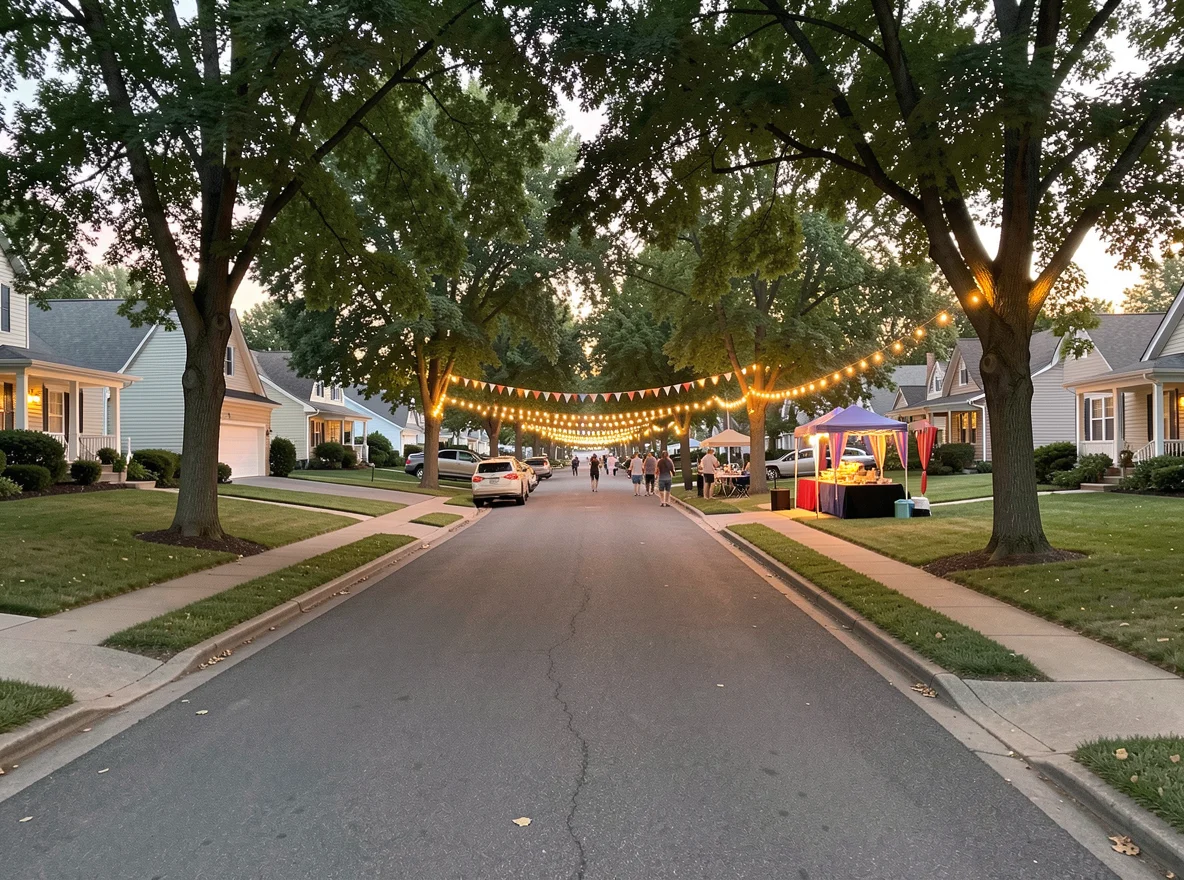
1. Watch how the street lives, not just how it looks. A pretty block during a weekend showing can be misleading. Visit at different times: early morning, late afternoon, and after dark. Is traffic heavier than expected? Do cars move too quickly? Are people out walking, exercising, or talking with neighbors? A street that feels quiet during a showing may become hectic during school pickup or rush hour, while a more modest block may feel surprisingly settled and welcoming once you see everyday life in motion.
2. Notice the homes between the listings. Buyers naturally focus on the property they love, but the surrounding homes often reveal more about neighborhood standards and long-term direction. Are lawns generally maintained? Do roofs and exterior paint look reasonably current? Do you see signs that owners are investing in their properties over time? A mix of older and updated homes can be healthy. Widespread neglect is usually the bigger concern.
3. Pay attention to convenience that fits your real routine. It is easy to say you want to be close to everything, but that means something different for every buyer. Think specifically about grocery runs, commuting patterns, school drop-off, fitness, medical appointments, and weekend plans. A location that looks central on a map may still feel inconvenient if every errand requires difficult turns, traffic bottlenecks, or longer-than-expected drive times. The best neighborhood for a first-time buyer is often the one that quietly makes weekdays easier.
Small Details Often Reveal Bigger Quality-of-Life Issues
4. Study how the neighborhood handles weather and drainage. This is one of the most overlooked parts of a first home search. Look at lot grading, standing water, storm drains, and how streets and yards appear maintained after rain. Ask informed questions about flood risk, drainage history, and insurance expectations where relevant. First-time buyers sometimes get distracted by finishes and forget that resilience matters just as much as aesthetics. A beautiful home in a less practical setting can become stressful very quickly.
5. Listen for noise you will not notice during a quick tour. Stand outside for a few extra minutes. Can you hear major roads, train lines, school activity, barking dogs, or nearby commercial noise? Some buyers enjoy energy and activity, while others want a more tucked-away feel. Neither is wrong, but it helps to know what you are truly buying into. Noise levels can affect sleep, work-from-home comfort, and long-term satisfaction far more than many first-time buyers expect.
School patterns can matter even for buyers without children. Strong school demand often influences resale strength, neighborhood stability, and how quickly homes move when it is time to sell. That does not mean every buyer should target the same areas, but it does mean school context deserves a place in the conversation alongside price, commute, and lifestyle goals.
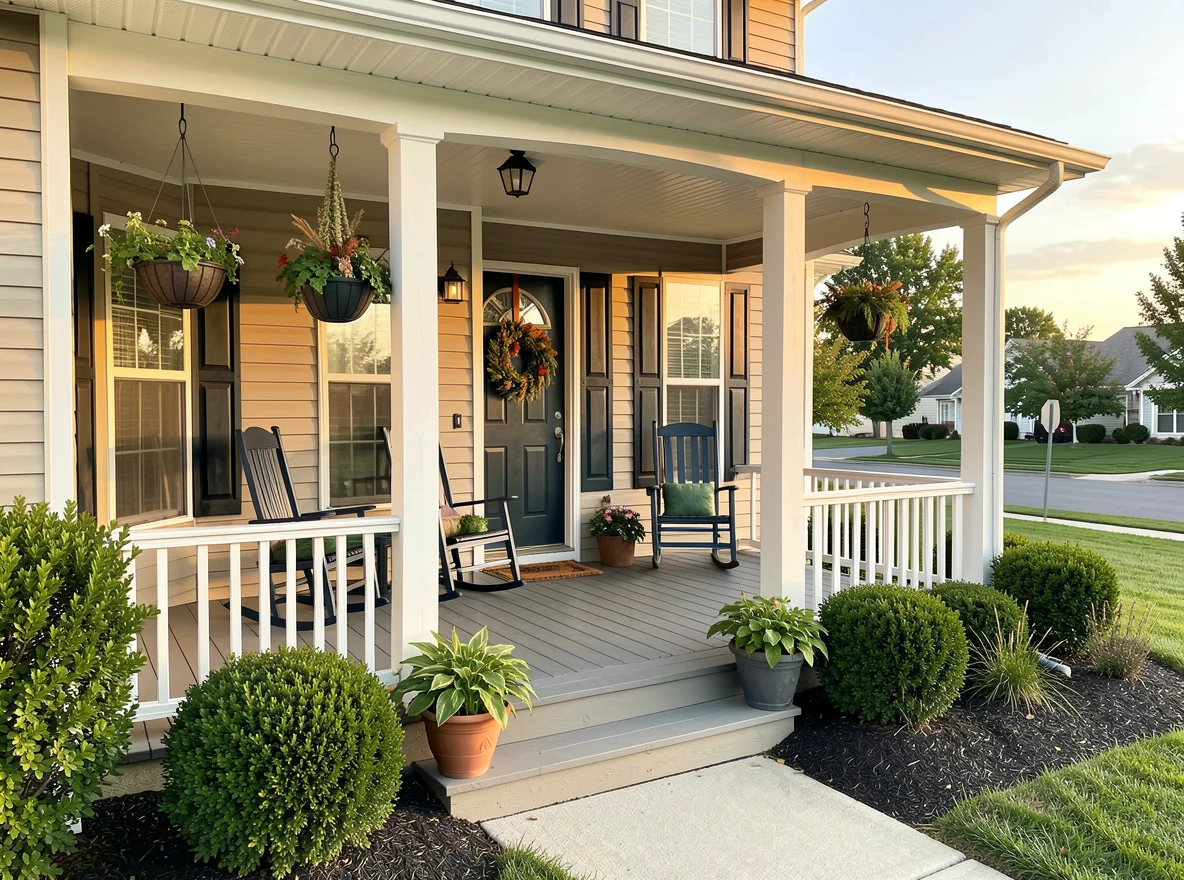
6. Look for evidence of community rhythm. Some neighborhoods feel disconnected even when the homes are attractive. Others have a welcoming cadence that shows up in simple ways: seasonal decor, active sidewalks, visible common areas, or entrances and green spaces that appear cared for. If you are buying your first home, that sense of belonging can make the transition from renter to owner feel much easier and more rewarding.
7. Compare list price to lifestyle value, not just to size. First-time buyers often get stuck in a price-per-square-foot mindset. But a smaller home in a more functional, stable, and convenient neighborhood may deliver better daily living and stronger resale than a larger home in a less compatible area. Access to parks, dining, gathering spots, and major routes can all shape value. The best deal is not always the biggest house. It is the home that supports how you actually plan to live.
This is also where representation matters. A strong buyer's agent does more than unlock doors and write offers. Your agent should help you compare tradeoffs, interpret neighborhood patterns, and stay grounded when emotions start driving the process. For first-time buyers especially, that guidance can turn a stressful search into a clearer one. If you’re starting your home search, let’s talk. I’ll help you evaluate available homes using the budget, property features, commute, and priorities you choose—so you can make a well-informed, well-informed decision.
Buying Smarter Starts With Looking Wider
The most prepared first-time buyers are usually the ones who slow down enough to read the surroundings. They notice traffic flow, upkeep, noise, drainage, convenience, school influence, and neighborhood energy before they fall in love with countertops. That broader lens does not take the fun out of buying a first home. It protects it. Instead of wondering later what they missed, they move forward knowing they considered the clues that shape daily life and future value.
If you are entering the market for the first time, remember this: the right home should fit the right block, the right routine, and the right season of life. There are great opportunities for buyers who know what to look for. With the right strategy and the right guidance, you can separate true opportunity from temporary sparkle and choose a neighborhood that feels right on closing day and long after the boxes are unpacked.

For buyers who want to make a smart first purchase, the goal is not just finding a house that photographs well. It is finding a location that supports your budget, your routine, and your long-term plans. When you evaluate both the home and the neighborhood with equal care, you put yourself in a much stronger position to buy with clarity.